When personal growth feels slow, look for small changes in how you respond to ordinary situations instead of waiting for a dramatic transformation. Perhaps you pause before replying, ask for help sooner, or recover from a stressful day with more kindness toward yourself. These shifts deserve attention.
Growth is rarely a straight line. You may handle one situation thoughtfully and feel overwhelmed by a similar one the next day. That does not erase what you have learned.
Measure what matters to you
Before assessing progress, ask what you hoped would change. “I want to become a better person” is difficult to observe. “I want to listen more carefully when I disagree” gives you something concrete to reflect on.
Choose one everyday behavior. If your goal is to be more present with family, consider whether you sometimes put your phone away during a conversation. If you want to respond to stress more calmly, notice whether you occasionally recognize tension before reacting. Do not demand perfection; look for an honest pattern over time.
Check in without judging yourself
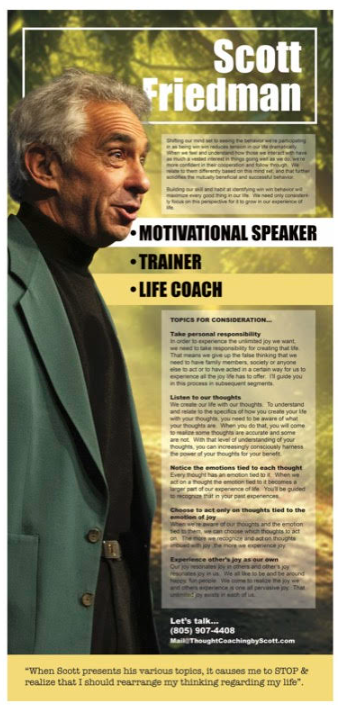
Scott Friedman discusses reviewing personal progress in his podcast Benefits of checking on our progress. In his published first-person episode description, Scott reflects on becoming more aware of his own response to stress and his spiritual understanding of being connected with all that exists. He describes awareness of his growth as helpful to continuing it.
That spiritual perspective is Scott's own. You do not need to share every belief to try a simple reflection: notice what happened, how you responded, and what you might choose next time.
For example, perhaps a colleague sends a short message and you assume they are upset with you. Later, you recognize that the message alone does not establish their feelings. Even if you still feel unsettled, noticing the assumption is a meaningful step toward responding with care.
Try a five-minute weekly reflection
Once a week, find a quiet moment and consider three questions. What situation challenged me? What did I notice about my thoughts or reactions? What is one small response I would like to practice next time?
Write a few sentences if that helps, or think through the answers. Avoid grading yourself. This is not a performance review. It is an opportunity to learn about your experience with curiosity.
Ask what supported you. Did rest make a difference? Did you set a boundary, talk with someone, or prepare in advance? Personal growth does not happen in isolation, and practical support matters.
Make room for difficult weeks
Sometimes progress looks like recognizing that you need rest. Other times it means acknowledging a problem you have avoided. A hard week may reflect genuine pressure, grief, illness, or responsibilities rather than a failure to think positively.
When you have less capacity, choose a smaller practice. Notice one moment of patience, or recognize that you asked for help. If nothing seems to have improved, that is useful information too. You can revisit your goal, change your approach, or seek support.
What does acceptance have to do with growth?
In Scott's thought-coaching perspective, acceptance means becoming more aware of what is happening now, including the thoughts that arise. It does not require liking a difficult circumstance or giving up on change. Seeing your situation clearly can help you decide what is within your influence.
Explore developing self-awareness and being present. You can also learn about Scott's background.
If you would value a thoughtful conversation about your goals, Scott offers an optional free introductory call. Coaching supports reflection and personal choices; it does not replace mental health care when that is needed.