When someone criticizes you, it can help to pause before deciding whether the criticism is fair. Notice what you are feeling, ask what was actually said, and choose whether a response is needed. You can listen carefully without agreeing with everything.
Why criticism can feel so personal
A comment about your work can quickly sound like a judgment about your worth. Perhaps a colleague says a presentation was confusing. Before you have considered the specific feedback, you hear an inner sentence: “They think I am incompetent.” That sentence may be understandable, but it is an interpretation, not necessarily what your colleague meant.
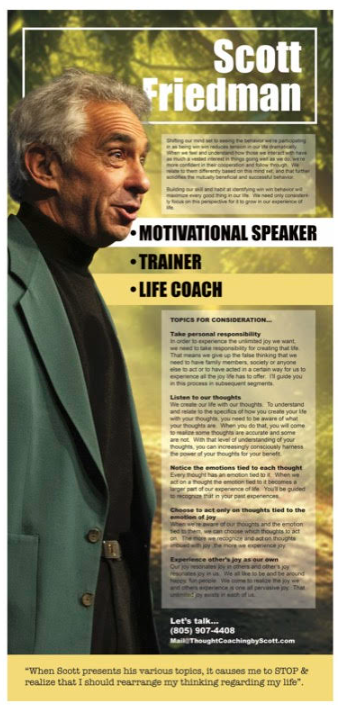
Scott Friedman describes a similar distinction in his writing about developing self-awareness: noticing a thought as a thought can create space between an event and your response. This is Scott's thought-coaching perspective, not a promise that awareness alone resolves every difficult relationship.
Give yourself a moment to understand
Try repeating the comment to yourself in plain language, without adding a conclusion about the other person's intentions. “The slides were difficult to follow” is different from “I am terrible at my job.” You may feel embarrassed, angry, or sad. There is no need to criticize yourself for those feelings as well.
If you are too upset to respond constructively, it is reasonable to say, “I want to think about that and come back to you.” A pause is not an admission of fault. It is a way to give yourself room to decide what you believe.
Ask one useful question
When feedback is vague, ask for a specific example. “Which part was unclear?” or “What would have helped?” can turn a painful exchange into something you can evaluate. If the person offers a concrete observation, consider whether it could help you. If they only repeat an insult, you do not have to keep inviting more of it.
Not every criticism is accurate. Some comments reflect a genuine problem, some reflect different preferences, and some are unkind or unfair. Thought awareness does not mean assuming the critic is right. It means giving yourself the chance to look at the evidence before accepting or rejecting a conclusion.
Choose what belongs to you
Suppose a friend says you have been hard to reach. You might notice a defensive thought: “They never understand how busy I am.” Both things could be true: you are busy, and your friend misses you. You could acknowledge their experience, explain your constraints, and suggest a more realistic way to stay connected.
At work, the next step might be revising a document or asking for clearer expectations. In a personal relationship, it might be a conversation about needs and boundaries. Sometimes the appropriate action is simply to say that you are not comfortable being spoken to in a particular way.
When criticism keeps replaying in your mind
It is common to revisit an uncomfortable conversation long after it ends. Instead of demanding that the thought disappear, notice when the memory returns. Ask yourself whether there is a useful action left to take. If there is, write it down. If not, gently bring your attention back to what you are doing.
Scott's article on staying calm discusses the difference between noticing an agitating thought and trying to force a feeling away. His approach invites curiosity rather than a struggle with your own reactions. It may be useful alongside practical communication skills and supportive relationships.
What if the criticism is harsh or ongoing?
You do not have to tolerate bullying, intimidation, or repeated humiliation to become more self-aware. Documenting what happens, seeking support, and setting limits may be more important than examining your interpretation. If criticism is affecting your safety or mental health, a qualified professional can help you consider appropriate support. Life coaching is not a substitute for therapy or crisis care.
Scott's perspective: thoughts, feelings, and choice
In the written description of his YouTube video Thoughts Create Our Emotions, Scott explains his view that noticing an emotion can help us identify the thought associated with it, then consider whether we believe that thought is accurate. Applied to criticism, this might mean noticing the thought “I am not good enough” and checking it against the actual feedback before responding. That application is an example for this article, not a claim that Scott discusses workplace criticism in the video.
Scott's description of Using Fear As An Asset offers a personal example of asking what a fearful part of himself is trying to protect, rather than simply pushing fear away. If criticism brings up fear of rejection, a similar reflective question could be: “What am I afraid this comment means, and what evidence do I have?” His description presents this as his personal spiritual approach, not a clinically established explanation of every emotion.
A small practice for the next conversation
The next time a comment stings, try three questions: What did the person actually say? What story did my mind add? What response would be respectful to both of us? You might discover something worth changing, or you might recognize a boundary worth keeping. Either outcome can be a thoughtful response.
For more on Scott's perspective, read his original self-awareness article and biography. If you would like to explore your reactions in conversation, you can ask about a free introductory coaching call. There is no obligation.